
Before anyone could take a picture the, study or put Megalodon teeth on a shelf it was doing something less tranquil. It was one of the largest predatory sharks to ever live in the the oceans of Earth. The tooth was ripped out. This is the conclusion for all objects. For a dinosaur fossil, this can be the start of the story.
The specimens offered by Fossil Driven have been through a geological process measured not in centuries or decades, instead in the millions of years. This trip can alter the way you view the fossil. It’s not just looking at an intriguing object. You’re seeing physical evidence of a world that disappeared long ago.
First Stop: An Ancient Ocean
Take Megalodon’s tooth from West Java in Indonesia. Roughly 20 million years ago, areas that are today dry were associated with warm marine environments. Megalodon sharks were found in those prehistoric waters as well as countless other forms of marine life.
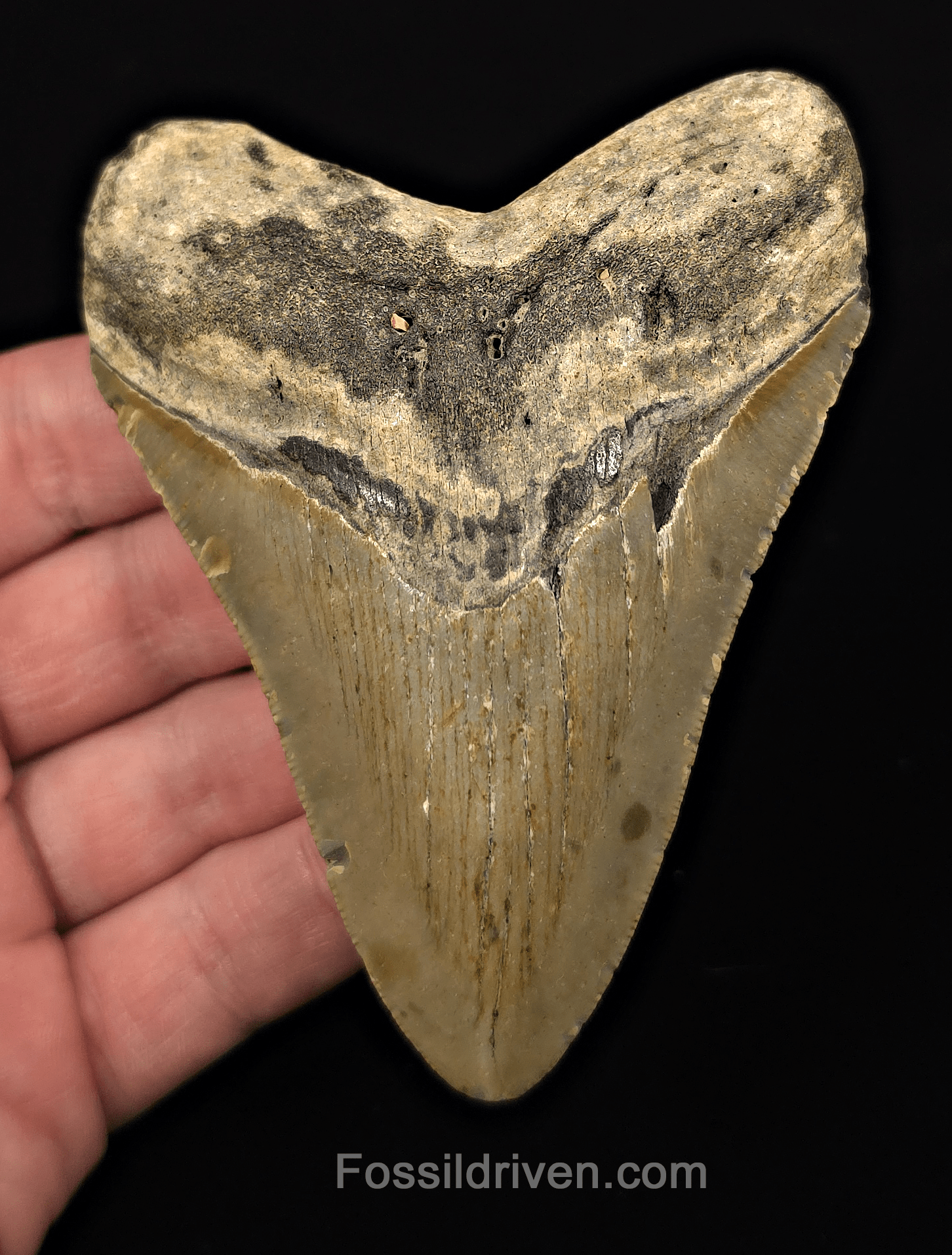
Image credit: fossildriven.com
Megalodon Like sharks of today, continually produces teeth and then loses them. A few of these teeth were later buried in marine sediments. When the conditions were right burial, they were protected until long enough to allow fossilization to take place.
Then Geology Suddenly Takes Over
The next chapter moved incredibly slow. Sediments built up. Minerals acted in conjunction and buried material. The forces of geology changed landscapes, and submerged areas became land. Those processes help explain something shoppers immediately notice when looking at megalodon teeth for sale: genuine fossil teeth can have dramatically different colors.
Indonesian specimens in the West Java’s Miocene Bentang Formation tend to be tan, golden, brown or red. They can also be blue, red, or black. Many exhibit a variety of shades on one tooth. The mineral surroundings contribute to the appearance a specimen is able to develop during its lengthy burial. It is impossible to produce this result in large quantities using natural processes. Each fossil has had the geological evolution of its own.
Discovery Begins Another chapter
Finally, a buried fossil dated to millions of years old has been discovered. Now identification and documentation become important.
Collectors aren’t content with the appearance of megalodon tooth teeth when they hunt for them. Information about locality geochemical age, preservation, repairs, and restoration help to explain what they’re really looking at.
Natural wear isn’t a way to erase a fossil’s story. A worn or damaged tip, an imperfect root, or incomplete serration might be simply a result of what happened to that specimen before and after burial. The most important thing is to present the specimen in a precise manner.
Fossil Driven’s expertise in fossil identification extends over 13 years. We collaborate with established fossil hunters as well as suppliers. The fossils are analyzed and described, including relevant details whenever possible.
The Fossil can reach someone’s hands.
People purchase genuine Fossils for many reasons. Some individuals build a meticulously classified collection. Some prefer a single striking conversation piece. A child who is interested in the prehistoric creatures could receive the very first fossil that inspires them to study paleontology.
Megalodon teeth are only one entry point into this world. Trilobites, dinosaur molars, and ammonites are among many fossils which preserve Earth’s long-lost past.
The most satisfying part is knowing It’s real
Replicas can recreate the shape and size of teeth from prehistory. It’s not able to replicate its past. A genuine Megalodon tooth was found in an animal from the past, found an environment completely different from our current environment It was able to withstand geological change, it was buried for a number of hundreds of years and was eventually recovered.
This is why authenticity is so important. A fossil is the tangible evidence of a journey which has been nearly impossible to imagine. The display case represents its latest stop.