
Improved medical imaging is usually considered to be more precise images. In reality, good radiology serves more than one function. The crucial question is whether a test provides all the information required for an individual medical condition.
For example, a person who suspects a joint issue presents an entirely different diagnosis when undergoing breast or prostate imaging. Modern radiology is able to take into consideration the different characteristics of patients by using various imaging techniques instead of a single scanner to address all cases.
Patients can take advantage of a broad array of diagnostic services and imaging-guided procedures in the Wolfsburg Diagnostic Center.
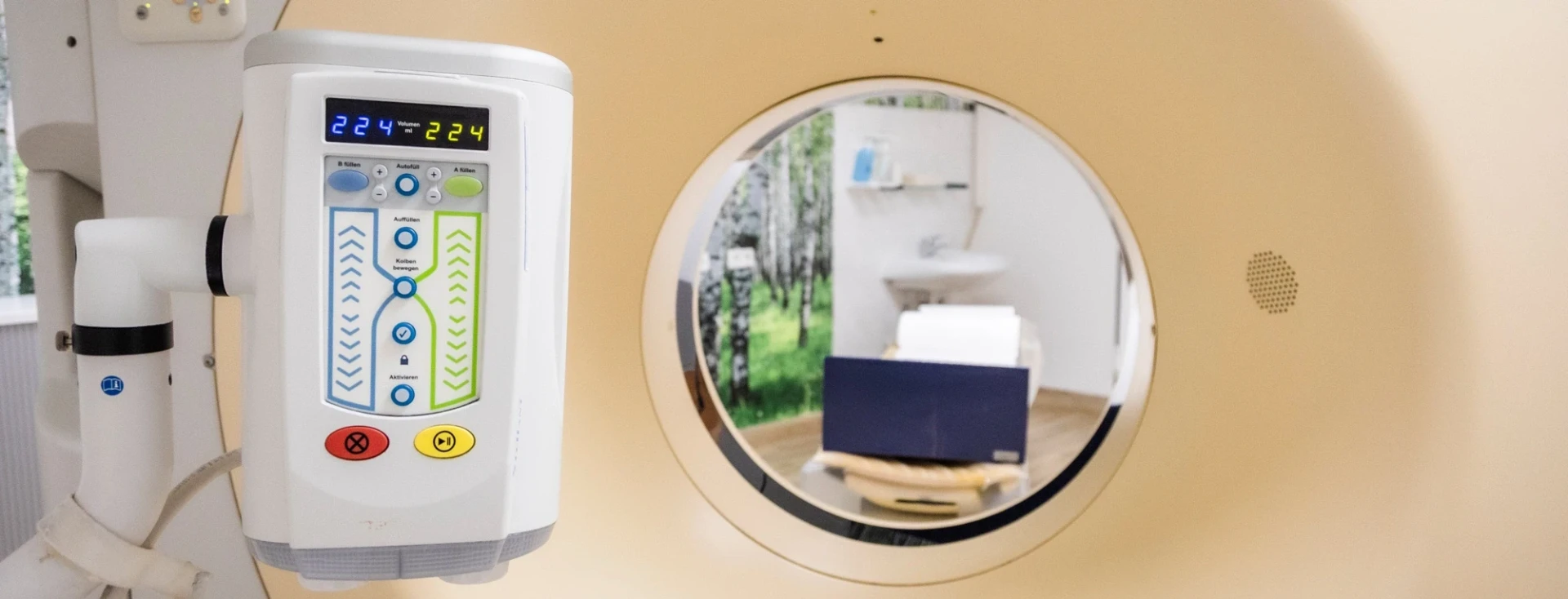
Image credit: diagnostikzentrum-wolfsburg.de
Different Body Parts Show Theirself Differently
The appearance of soft tissue, bones organs, joints and soft tissue will vary depending on the imaging technique employed.
Magnetic resonance imaging is helpful when precise imaging of various soft tissue structures are required. The Wolfsburg Diagnostic Center operates two modern 1.5 Tesla MRI scanners and conducts exams of various areas, including the spine, the brain, joints, internal organs and soft tissues.
MRI does not use X-ray radiation. If the situation warrants, the centre offers more targeted exams like prostate MRIs and whole-body MRIs.
The practical lesson for patients is simple The phrase “MRI” describes the technology, however the medical condition defines how this technology is used.
CT offers a unique point of point
The role CT plays in diagnosing medicine is distinctive. CT uses X radio waves to create precise cross-sectional body pictures. The Wolfsburg Diagnostic Center employs low dose technology to reduce radiation exposure while keep image quality.
Each patient’s individual situation will determine the best imaging technique. Advanced sounding does not necessarily mean more appropriate.
Digital Xrays are still relevant
MRI, CT and other imaging techniques are getting the attention of many. This could make traditional imaging techniques like X-rays appear outdated. Modern digital Xrays tell different story.
Digital systems continue to provide an established method to study the bones. Modern technology makes use of high-resolution pictures and techniques that minimize radiation exposure.
Also, the latest technology has expanded the radiologists’ options instead of simply replacing all the methods that were available before them.
Breast Imaging demonstrates value in an Intensive Method
Breast diagnostics are yet another type of imaging that is special. The center offers breast ultrasound, 3D mammography (or tomosynthesis), and mammography. These technologies offer different forms of information from images that can be used depending on the particular medical condition.
The same principle is applicable to radiology: a good imaging process begins with understanding what needs to be examined.
Imaging can guide treatment
The scope of radiology isn’t only limited to identifying or monitoring abnormalities. The Wolfsburg Diagnostic Center also performs CT-guided periradicular therapy (PRT), in which CT imaging aids in the procedure. Another treatment is low-dose radiotherapy.
These examples illustrate how imaging technology is able to go beyond simple observation, and can play a part in providing precise medical care.
Precision Means Asking a Focused Question
A modern diagnostic center can’t be only defined by the number of machines it operates. The effectiveness of a diagnostic center is determined also by the utilization of the appropriate technology for a medical need that is clearly defined and skilled specialists who interpret the images. To learn more CT Wolfsburg
In Wolfsburg’s consultation hours for private consultation patients are able to undergo various radiological examinations, receive specialist care and discuss directly their findings.
It’s not just about creating additional images. It’s about producing clinically useful information that will aid physicians as well as patients in understanding the medical questions being investigated.