
The advances in technology for banking have significantly automated bookkeeping. However, anyone who deals with financial records is aware that automation doesn’t always work. The bank feeds are not working properly, the historical transactions may be not available and customers may be unable to send documents in the format of PDF. In the event of this, someone has to turn a document specifically designed for reading data into a format that accounting software can use.
Converting bank statements can help you save time by making the process easier. Docubrew transforms bank statement data into spreadsheet-ready data instead of manually entering description, date, withdrawals and deposits row by line.
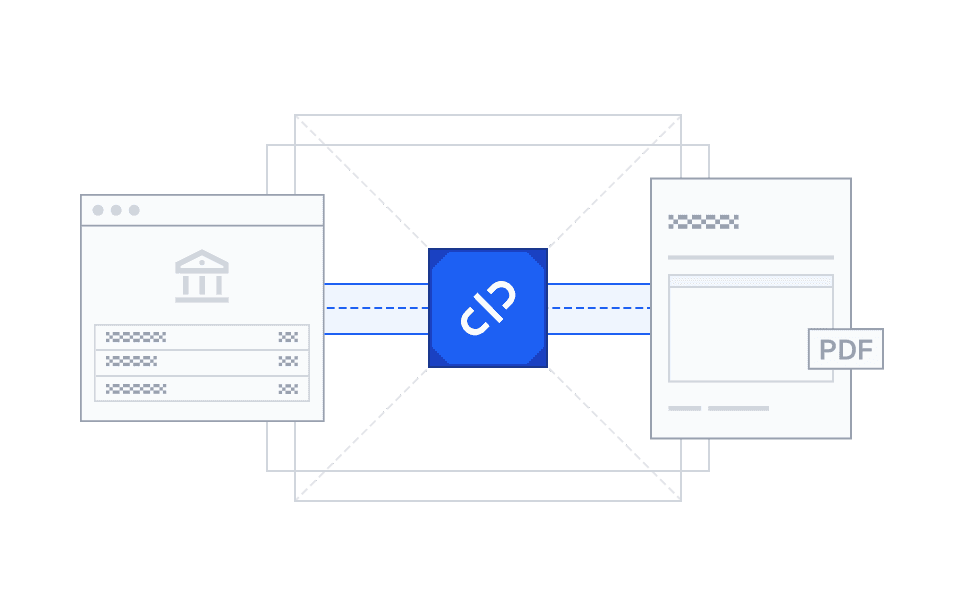
Image credit: docubrew.com
When a PDF Becomes the missing piece
Imagine a bookkeeper is preparing the year-end reconciliation of the first client. The accounting platform has recent transactions, but some of the older months are missing. Fortunately clients have downloaded the PDF of the previous statements.
Traditionally, rebuilding during those times could require the time of copying figures onto a spreadsheet. The bank statement PDF to Excel workflow offers a viable alternative. Docubrew extracts transaction data from scanned paper bills or digital PDFs.
Reduced manual transcription is an effective way to lower the risk of errors in typing for those who have to transfer bank statements into Excel on a regular basis.
Save the Pages that Actually Are Counting
The bank statements aren’t just composed of transactions. A 12-page account statement may contain the cover page, account overview, disclosures, or notices and a few pages of actual bank activity.
Docubrew lets users preview the document, and then select the relevant pages before conversion. This makes it easier to convert bank statement data to Excel without the need to include irrelevant data.
After processing, the file is able to be opened in Excel or prepared for use using accounting software such as QuickBooks, Xero, and FreshBooks.
CSV offers a flexible accounting workflow
CSV is still useful since it is extensively supported by spreadsheets, databases, and accounting applications. If you need a bank statement to CSV, Docubrew produces structured output based on the transaction table contained in the statement.
This same process is used by firms to convert bank statements into CSV. This is whether they’re making historical records from scratch, handling an ongoing cleanup project for new clients, researching missing transactions, or compiling the data for reconciliation.
Accounting firms who need to handle clients or multiple statements can benefit from batch processing.
Financial documents deserve thoughtful security measures
Processing financial records is not solely about ease of use. Bank statements can contain sensitive client data Bookkeepers and accountants are also concerned about the location where processing occurs.
Docubrew gives two options. Its Windows desktop application handles documents locally on the computer of the user thus the files aren’t transferred to the cloud for conversion. Users who prefer workflows using browsers can choose the cloud encrypted option. Files uploaded are automatically deleted within 24 hours.
This choice differentiates the platform from the bank statement Excel software, which relies exclusively on remote processing.
Turning Document Archives Back Into Working Data
The PDF statement can be a useful record, but it’s inconvenient if you need to sort, reconcile, filter, or import transactions in other systems. Scanned files can add a new problem, since the transaction information is often only available in pictures.
Docubrew combines statement parsing with OCR support for documents scanned that give bookkeepers, accountants and other businesses a feasible path from financial paperwork stored in archives to a usable set of transactional data.
The result is an easy improvement to an otherwise monotonous process: use the bank statement as the original financial record while turning the transaction table into data you can actually use.