
For one buyer, the appeal of the wig’s coloring is offset by a cap that causes discomfort after a few hours of wear. Another appreciates the natural-looking hairline but doesn’t want to spend twenty minutes adjusting the lace every morning. The style looks wonderful, but a different buyer finds the hair density surprisingly heavy once it is worn.
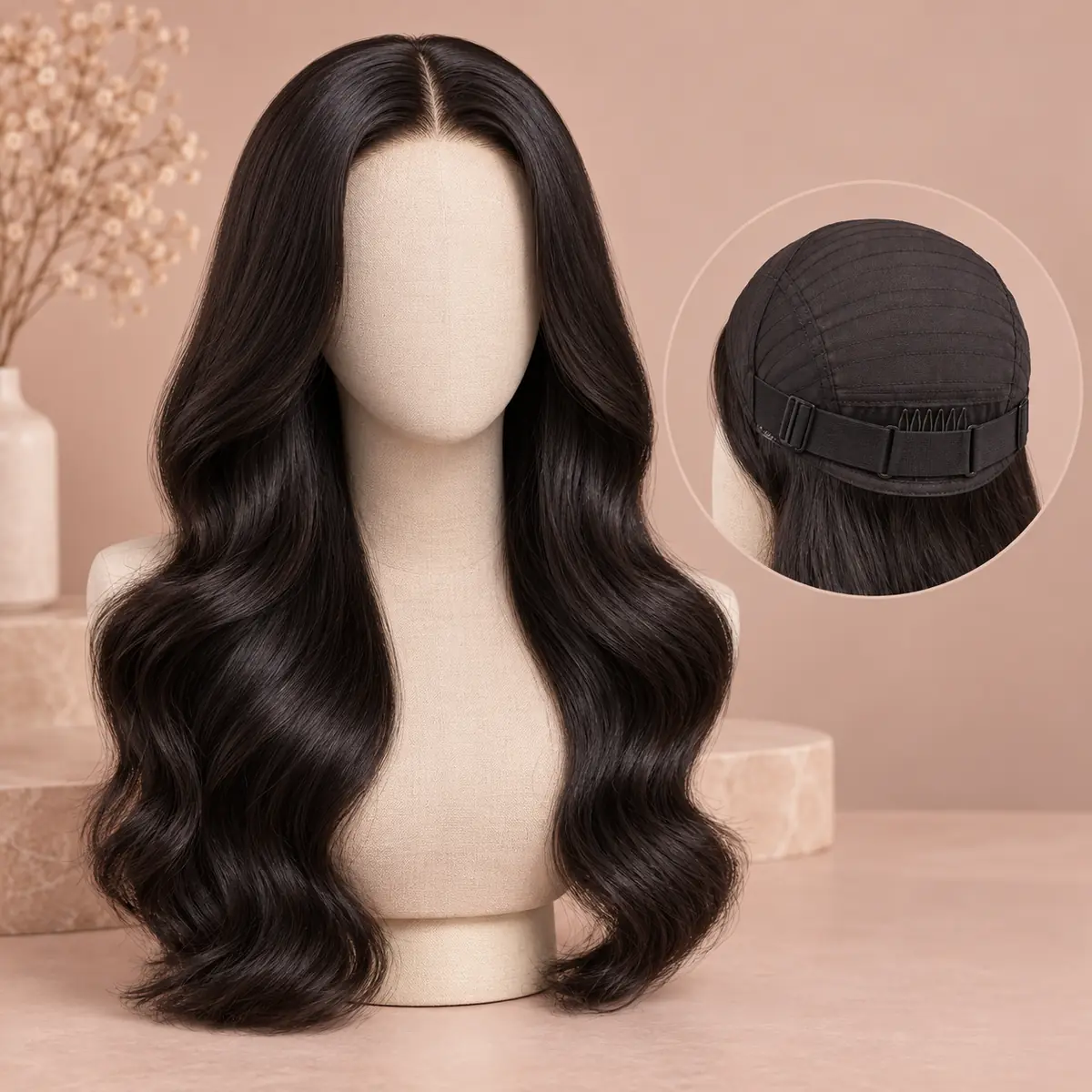
Image credit: vayorahair.com
A wig retailer developing its own products can view such observations as more than customer opinions. They highlight opportunities to create wigs customers actually enjoy wearing.
A well-received wig collection does not have to follow the latest hairstyle trend. A collection should begin with an understanding of customer preferences and the experience they want when they put it on.
Understand the Issues Customers Encounter
When wearers describe their preferences, they generally do not speak in manufacturing language. Comfort during wear, ease of use, how it looks and how confident the wearer feels are what customers talk about. A request for an easier morning routine might point toward a glueless construction. If customers say the hairline looks unnatural, the team may need to review lace appearance and knot treatment, along with the density or design of the part.
A human hair wig manufacturer China brands work with should be able to translate these everyday concerns into measurable product specifications.
Rather than ordering a 22-inch body-wave wig alone, a buyer can outline the desired wearing experience, how the cap should fit, lace construction, the look of the hairline, and finished weight. The development process benefits from having a more precise design goal.
Building an Identity for Your Private Label Wig Range
Rather than defining their own range, many emerging brands rely on the products currently in demand. The outcome may be a product lineup that looks much like those of competing stores.
A collaborative relationship with a private label wig manufacturer China retailers choose can help a brand shape a consistent product identity. The identity might be expressed through a lightweight everyday collection, a premium natural-hairline line, or ready-to-wear products intended for customers who want to keep preparation to a minimum. The central promise to the buyer should guide texture, length, color, density, cap construction, and packaging. Rather than relying solely on short-term discounts, a recognizable collection offers shoppers another motivation to shop again.
Glueless Wigs Involve More Than a Label
Although the word “glueless” seems simple, the experience of wearing the wig depends on a range of construction details. Everything from the size of the cap and adjustment features to attachment components, lace preparation, and hairline design influences how securely and comfortably the unit fits.
Establishing these design requirements before production is something a glueless wig manufacturer China buyers work with should assist with. An easy-to-manage density, pre-cut lace, and simple adjustment features may be particularly important when the intended customers are new to wigs. A professional stylist’s collection might require different customization options. One approach is not necessarily better than the other. The two approaches address the needs of different customer groups.
Product Sampling and Brand Reputation
There are aspects of a wig that cannot be assessed from an image alone. A buyer should assess cap fit and hair movement, check the color against expectations, and confirm whether the finished construction matches the approved design. The sample stage creates an opportunity to identify discrepancies ahead of a larger order.
Repeat production makes documented specifications and quality-control procedures especially significant for a wholesale human hair wigs supplier. The success of the first batch may be difficult to repeat without clear references.
Design Your Collection for Future Growth
VAYORA works with B2B wig brands, retailers, and distributors to support product development, private label services, sampling, specification control, and repeat-production processes. Physical details that affect how a wig looks, fits, and feels are connected to customer expectations through this approach.
Before expanding a catalog, brands should examine customer feedback, identify their strongest product opportunities, and establish clear approval standards. The next successful collection may not require more styles. The greater opportunity may lie in reducing trade-offs in existing desirable styles.